



A demolition project has a way of feeling straightforward right up until it is not. Whether you are tearing down a shed that has seen better days, clearing a garage to make room for new construction, or taking down a larger structure on your property, the actual demolition is only part of the equation. What happens before the crew arrives matters just as much as the work itself.
Proper preparation protects you, your property, and everyone involved in the project. It also keeps things moving on schedule without the kind of surprises that cost time and money. Here is what every property owner should do before a demolition project gets underway.
Check Whether You Need a Permit
This is the step most people want to skip and the one that causes the most problems. Depending on the size and type of structure being demolished, your local municipality may require a demolition permit before any work begins.
In Greensboro and throughout the Greater Triad Area, permit requirements vary based on the scope of the project. A small detached shed may not require one. A garage, mobile home, or any structure connected to utilities almost certainly will. Pulling a permit protects you legally and ensures the work meets local code requirements, which matters when it comes time to sell the property or pull permits for whatever is being built in its place.
Check with your local building department before scheduling demolition. A reputable demolition crew will also be able to tell you what is typically required for your type of project.
Locate and Disconnect All Utilities
Any structure with electrical, plumbing, or gas connections needs to have those utilities properly disconnected before demolition begins. This is non-negotiable from a safety standpoint.
Contact your utility providers ahead of time to schedule disconnection. Do not assume a structure is no longer connected just because it has not been used in years. Old garages, outbuildings, and mobile homes can have live connections that are not immediately obvious. A licensed professional should handle disconnections for gas and electrical to make sure everything is properly capped and documented before the crew starts work.
Clear the Structure of All Contents
Everything inside the structure needs to come out before demolition begins. Tools, equipment, stored furniture, old appliances, boxes, and any other personal property should be removed completely. Demolition crews are there to take down the structure, not sort through what is inside it.
This is also a good time to think about what happens to everything you pull out. Some items can be donated, sold, or repurposed. Others will need to be hauled away as bulk trash or debris. Having a junk removal plan in place before demolition day keeps the project clean and prevents a pile of unwanted items from sitting on your property for weeks after the structure is gone.
Identify Any Hazardous Materials
Older structures, particularly those built before the 1980s, may contain hazardous materials such as asbestos, lead paint, or other substances that require special handling and disposal. Demolishing a structure that contains these materials without proper testing and abatement first is not only dangerous but also illegal in most jurisdictions.
If your structure is older or you have any reason to suspect hazardous materials may be present, have a qualified inspector assess it before scheduling demolition. Abatement needs to be completed before the demolition crew arrives. This step protects the health of everyone on site and keeps you compliant with local regulations.
Protect the Surrounding Area
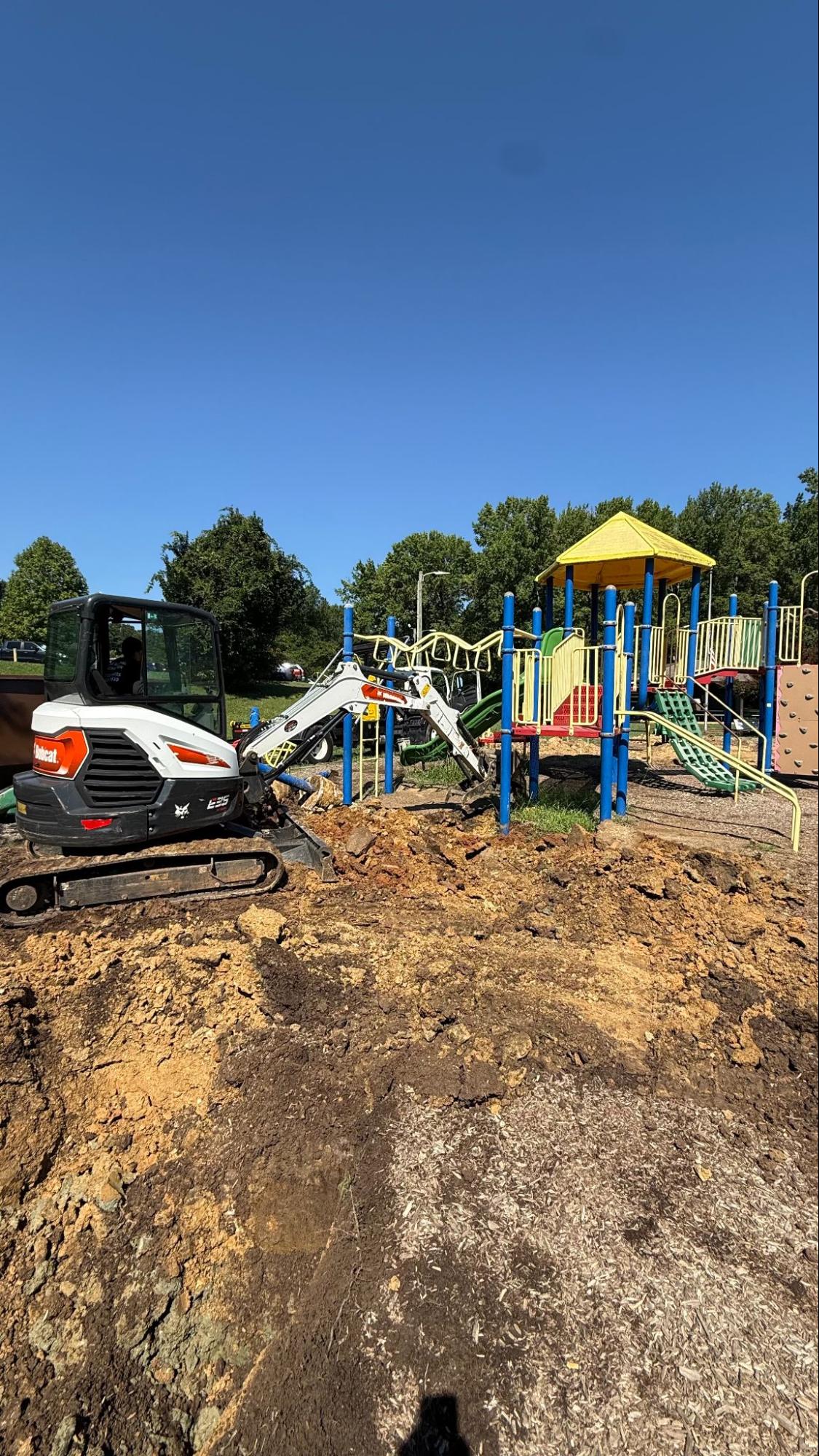
Demolition creates dust, debris, and falling material. Before work begins, take a look at what is around the structure being taken down and think about what needs to be protected.
A few things worth addressing in advance:
- Move vehicles, equipment, and any valuable outdoor property away from the work zone
- Mark or flag any underground utilities, irrigation lines, or drainage systems near the structure
- Let neighbors know the work is coming, especially if the structure sits close to a property line
- Consider how debris will be staged and removed so it does not end up damaging landscaping or blocking access to other areas of the property
The more clearly the work zone is defined before crews arrive, the smoother the job goes for everyone.
Have a Debris Removal Plan Ready
Once a structure comes down, you are left with a significant amount of material that needs to go somewhere. Concrete, wood framing, roofing material, siding, and metal all pile up fast, and most of it cannot go to the curb for regular pickup.
Your two main options are a dumpster rental staged on site for the crew to load as they work, or a full service debris removal and cleanup handled after the demolition is complete. For larger projects, a combination of both often makes the most sense. Either way, having this figured out before demolition day prevents a scenario where the structure is down, but the debris sits on your property with nowhere to go.
Do a Final Walkthrough the Day Before
Before the crew arrives, walk the site one more time. Confirm utilities are disconnected, the structure is fully cleared out, the surrounding area is protected, and access for equipment and trucks is unobstructed. A quick check the day before catches anything that was missed and prevents delays on the day of the project.
If you are planning a demolition project in Greensboro, Kernersville, or anywhere in the Greater Triad Area and need help with debris removal, junk removal, or a dumpster rental to support the work, contact TCC Junk Removal today by calling (336) 916-9169 or booking your appointment online. We will make sure the cleanup side of your project is handled so you can focus on the build.