



roperty can move on to its next phase. For property managers, this can mean dealing with concrete, wood, drywall, metal, old fixtures, dust, and other debris. A good cleanup plan can help keep the project on schedule. It can also make the property safer and prepare the site for renovation, new construction, leasing, or sale.
Here is what property managers should know about post-demolition cleanup.
What Is Post-Demolition Cleanup?
Post-demolition cleanup is the process of clearing waste after demolition work is complete. The goal is to remove debris and leave the property ready for the next step.
Depending on the project, cleanup may include:
- Concrete
- Drywall
- Lumber
- Metal
- Flooring
- Cabinets
- Fixtures
- Doors and windows
- Furniture
- Packaging
- General construction waste
Large commercial projects may create much more debris than a residential demolition job. The type of material can also vary from one property to another. An office renovation may create carpet, drywall, ceiling tiles, furniture, and fixtures. A retail property may have shelving, displays, flooring, and other materials. That is why each cleanup job should start with a clear plan.
Why Post-Demolition Cleanup Matters
Leaving demolition debris around a property can create several problems. Large piles of waste can block access to the site. Loose materials may create trip hazards. Dust and sharp debris can also make the property harder and less safe to work in. Cleanup is also important when the property needs to be used again quickly.
Property managers may be preparing the site for:
- New tenants
- Remodeling
- Repairs
- New construction
- A property sale
- Inspections
- Additional contractors
The sooner the debris is removed, the sooner the next phase of the project can begin.
Step 1: Inspect the Site
A good demolition cleanup starts with an inspection. Before debris is removed, the cleanup team should look at what is on the property and how much waste must be hauled away.
They may also need to consider:
- The type of debris
- The weight of the material
- How much debris is present
- Truck access
- Loading areas
- Nearby buildings
- Active work areas
- Disposal options
This helps determine what equipment and labor will be needed. It also helps avoid delays once cleanup begins. For larger commercial properties, access can be especially important. Trucks need enough room to enter, load, and leave the property without blocking other work.
Step 2: Sort the Debris
Not all demolition debris should be treated the same way. Some materials may be recycled. Others may go to an approved landfill or waste facility.
Common recyclable materials can include:
- Metal
- Wood
- Cardboard
- Concrete
- Certain fixtures
- Some building materials
Usable items may also be donated when possible. Sorting materials can reduce the amount of waste sent to a landfill. It can also make disposal more efficient.
Step 3: Remove the Waste
Once the cleanup plan is in place, crews can begin removing debris. Small materials may be loaded by hand. Heavy debris may require carts, trailers, dumpsters, or other equipment. Large jobs may require several loads. An experienced junk removal company can plan those loads so debris is moved off the site as efficiently as possible. This can save property managers from having their own staff make repeated trips to disposal facilities. It also allows maintenance and construction crews to stay focused on their regular work.
Step 4: Watch for Hazardous Materials
Some older commercial properties may contain materials that require special care.
Examples can include:
- Asbestos
- Lead-based paint
- Chemicals
- Contaminated materials
- Other regulated waste
These materials should not be handled like normal junk or construction debris. If hazardous material is found, work may need to stop until the material can be inspected and handled by a properly trained or licensed contractor. Property managers should make sure all local, state, and federal rules are followed. Proper testing and removal can help protect workers, tenants, nearby properties, and the property owner.
Step 5: Complete a Final Cleanup
Removing the large debris is not always the end of the job. Smaller pieces of material may still be scattered around the property.
A final cleanup should check for:
- Loose debris
- Nails and screws
- Small pieces of wood
- Broken drywall
- Metal scraps
- Packaging
- Dust and dirt
The exact level of cleanup will depend on what happens next. A property that will undergo more construction may not need the same final cleaning as a property that is about to be leased or sold. The important thing is to leave the site ready for its next use.
Benefits of Hiring a Professional Cleanup Company
Property managers can handle some cleanup tasks with their own staff. For larger demolition projects, however, hiring a professional junk removal company can offer several benefits.
Faster Cleanup
Professional crews remove debris every day. They already have the trucks, tools, and equipment needed to handle large amounts of waste. That can help clear a property much faster than using maintenance staff or other employees. Faster cleanup can also help keep renovation and construction work on schedule.
Less Work for Your Staff
Demolition debris can be heavy. Concrete, wood, drywall, flooring, cabinets, and fixtures take time to move and load. Using your own staff for this work can pull them away from other duties. A junk removal crew handles the hauling so your employees can focus on managing the property.
Fewer Dump Runs
Removing debris yourself often means making several trips to a landfill or recycling center. Those trips take time and use fuel. There may also be disposal fees at each facility. A professional junk removal company can load large amounts of debris and take the material to the correct disposal location.
Cleaner Job Sites
Debris can make an active job site harder to use. Regular cleanup helps keep walkways and work areas open. It also gives other contractors more room to work. For larger projects, property managers may choose to schedule several debris pickups instead of waiting until the entire demolition job is complete.
Easier Disposal and Recycling
Different materials may need to go to different facilities. A local junk removal company should know where common construction and demolition materials can be taken. Some materials can be recycled or reused instead of going straight to a landfill. That can make the disposal process easier for the property manager.
Plan Cleanup Before Demolition Starts
One of the best ways to make post-demolition cleanup easier is to plan for it before demolition begins. Do not wait until the property is full of debris to decide how it will be removed.
Before work starts, consider:
- How much debris the project may create
- Where debris will be stored
- How trucks will reach the property
- Whether a dumpster is needed
- How often debris should be removed
- Which materials can be recycled
- Whether any special materials may be present
Planning ahead can prevent debris from slowing down the job. It can also help property managers estimate cleanup costs before the project begins.
Junk Removal or Dumpster Rental?
Some demolition projects are a good fit for full-service junk removal. Others may work better with a dumpster. In many cases, contractors and property managers use both.
Junk Removal
Junk removal can be a good option when you want a crew to load and remove the debris for you.
This works well when:
- You need fast cleanup
- Your staff cannot load the debris
- The project creates debris in stages
- You need the site cleared quickly
Dumpster Rental
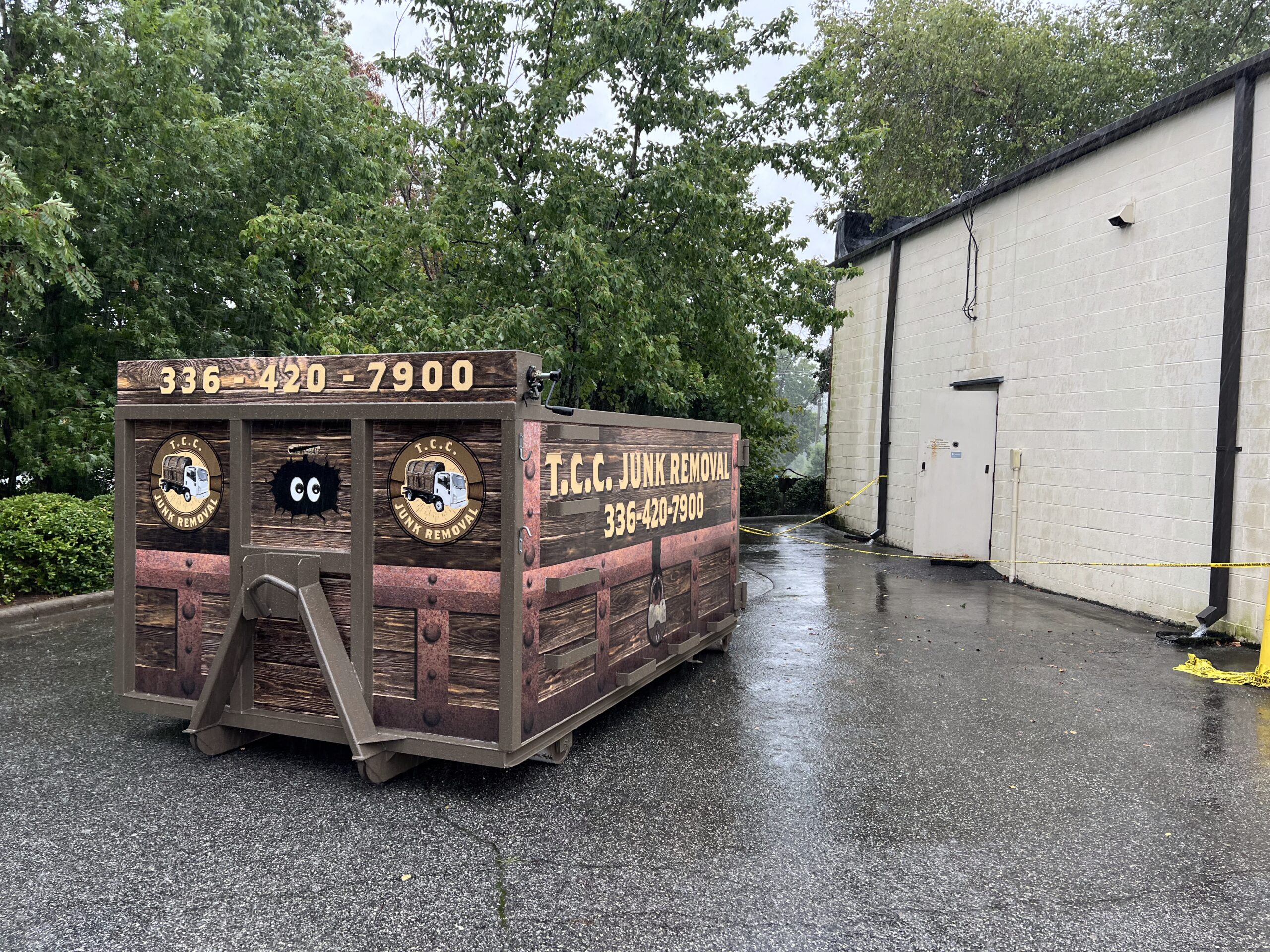
A dumpster can work well when demolition will take several days. Workers can place debris in the container as the project moves forward. Once the dumpster is full, it can be removed. This gives the crew a place to keep waste instead of allowing debris to pile up around the site. The best choice depends on the size and schedule of the project.
Keep Safety in Mind
Safety should remain a priority during every part of demolition cleanup. Debris may contain sharp edges, nails, broken glass, heavy materials, and unstable pieces. Workers should use the correct safety gear for the job.
That may include:
- Work gloves
- Safety glasses
- Hard hats
- Work boots
- Dust protection
Heavy materials should also be moved with the right equipment. Trying to lift or haul more than a worker or vehicle can safely handle can lead to injuries or property damage.
Know the Rules for Disposal
Property managers should also understand that waste disposal rules can vary. Some materials may have special disposal requirements. Permits may also be needed for certain demolition projects or types of waste. Local building rules, environmental rules, and disposal requirements should be reviewed before work begins. For regulated or hazardous materials, use qualified professionals who are permitted to perform that work.
How TCC Junk Removal Can Help
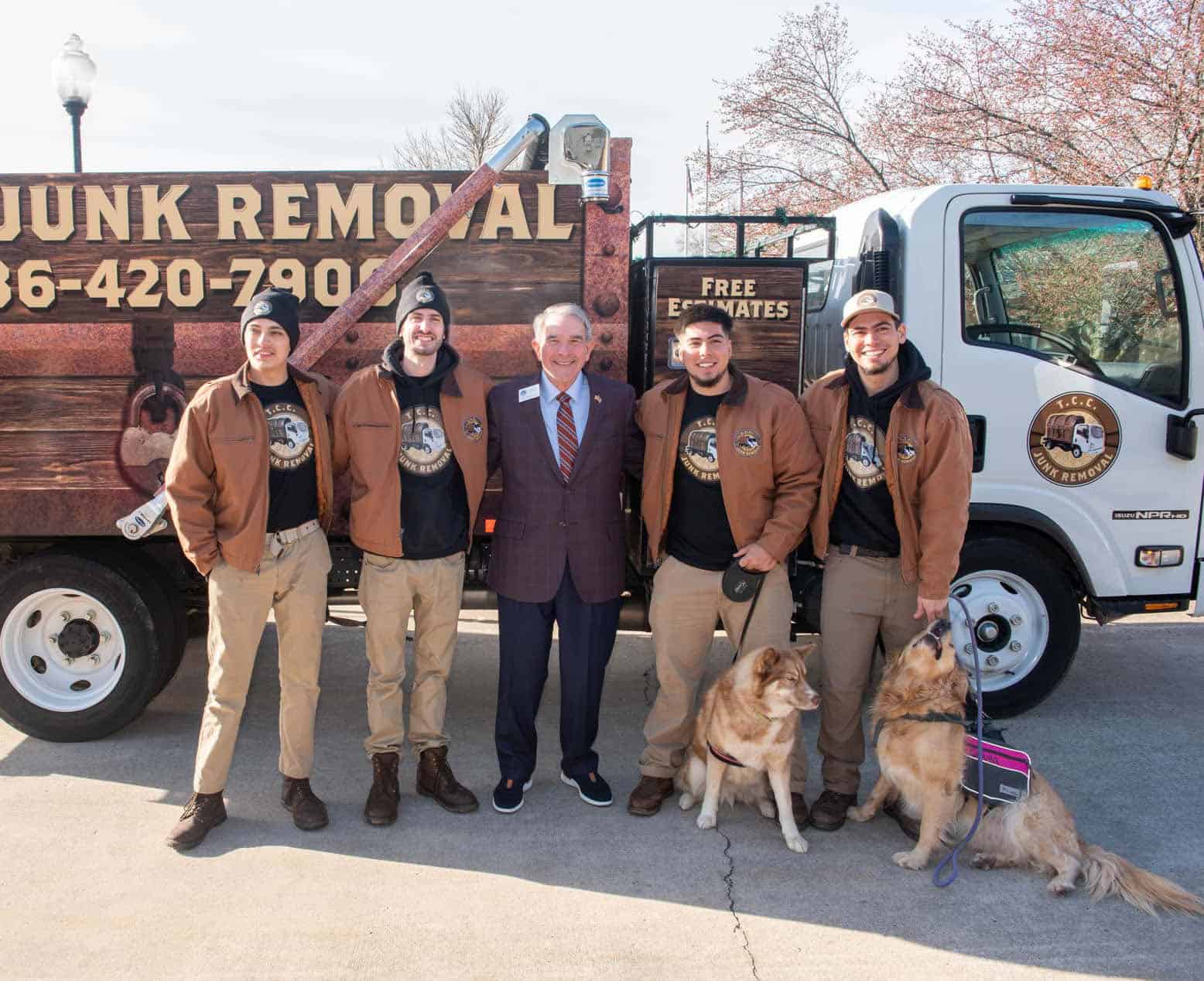
TCC Junk Removal helps property managers, contractors, and commercial property owners remove debris from renovation and demolition projects.
Our team can haul away many common types of construction and demolition waste, including:
- Wood
- Drywall
- Flooring
- Cabinets
- Fixtures
- Furniture
- Metal
- General construction debris
We can handle one-time cleanups or remove debris as a project moves forward. Same-day and next-day service may also be available. For projects that need a container on site, TCC Junk Removal offers dumpster rentals as well. This gives property managers several ways to keep debris under control.
Responsible Disposal
We work to keep reusable and recyclable materials out of the landfill when possible. Depending on the material, items may be recycled, donated, or taken to the proper disposal facility. Responsible disposal can reduce waste while making the cleanup process easier for property managers.
Choose a Cleanup Company You Can Rely On
Post-demolition cleanup is an important part of any commercial renovation or demolition project. A clean property is easier to inspect, repair, renovate, lease, or sell. Professional cleanup can also save time and reduce the amount of hauling your staff has to handle.
The key is to plan ahead.
Know what type of debris the project will create. Decide how it will be removed. Schedule cleanup before waste begins to pile up. That can help keep the entire project moving.
Need Post-Demolition Cleanup?
TCC Junk Removal provides demolition debris removal and cleanup services throughout the Greensboro area and surrounding communities. Whether you need one large cleanup, several debris pickups, or a dumpster rental, we can help you find the right option for your project.
Call (336) 916-9169 or request a free quote to get started.